The Modern Massage Chair: Innovation, Comfort and Proven Well-being
Choosing a massage chair can be difficult because models differ widely in size, massage technology, comfort, features and price. The best massage chair isn't necessarily the one with the longest feature list, but the one that matches the buyer's height, intended use, available space, budget and personal preferences.
This guide answers the key questions before purchase, including the differences between massage types, 3D and 4D systems, L-Shape and SL-Shape rails, body scanning and Zero Gravity. It also considers whether a massage chair suits taller people, what health factors require caution, how much electricity it uses, and how it should be cleaned and maintained. The guidance supports an informed purchase, but it doesn't replace medical advice or a diagnosis.
The FAQ also addresses practical questions such as whether a massage chair can ease muscular tension, which functions are genuinely useful, how often it can be used and what separates affordable models from premium options. First, the most important question is considered: which massage chair is the best choice for individual needs?
Which Massage Chair Is the Best Choice for Different Needs?
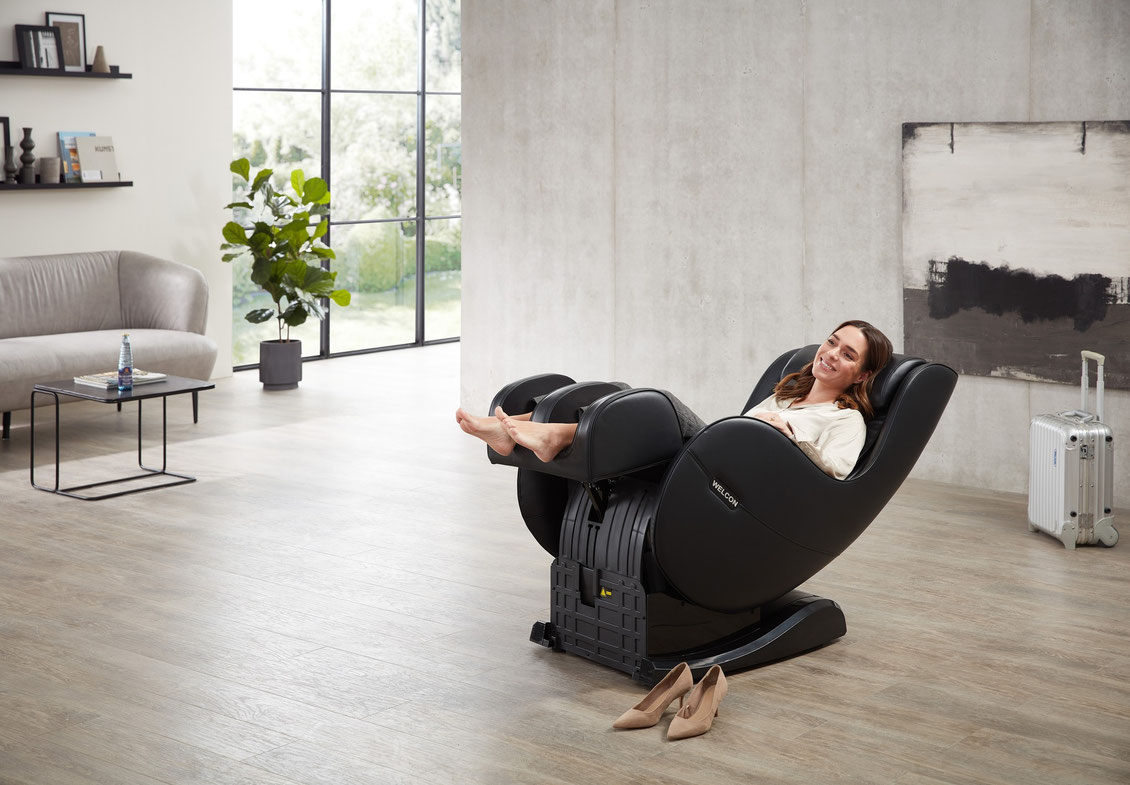
The best massage chair depends on the person using it. Body height, available space, preferred massage style, budget and ease of operation all affect the right choice. A model with many functions may be unsuitable if the rollers do not reach the back correctly or the controls feel confusing.
The following questions help narrow down the options. They also show why a practical test often provides more useful information than a long product description.
What should buyers consider if they are over 190 cm tall?
People over 190 cm need to check the chair's dimensions with particular care. Body height alone doesn't determine the fit. Leg length, shoulder position, seat depth and the position of the massage rollers all influence whether the massage feels comfortable and accurate.
An adjustable footrest or extendable leg section can accommodate longer legs. However, the adjustment range differs between models. A long massage rail also doesn't automatically mean that the chair fits every tall person. The rail may reach the lower back, but the shoulder area, seat depth or foot wells may still sit too low.
A suitable chair should include reliable shoulder detection and enough adjustment for the user's upper body. The body scanner identifies the position of the shoulders and adapts the massage points accordingly. If the scanner places the shoulders too high or too low, the rollers may press against the neck or miss the intended muscles.
Before buying, the user should check the following measurements:
-
Height, measured without shoes.
-
Inseam length, measured from the crotch to the floor.
-
Shoulder position in relation to the seat.
-
Seat depth and the distance from the backrest to the footrest.
-
The chair's recommended height range.
-
The space available when the chair reclines, including clearance behind and in front.
A test session is particularly valuable for taller users. The rollers should reach the back without pressing in the wrong area, and the foot massage should support the feet rather than ending too low. The user should also test whether the knees remain comfortably bent when the leg section is fully adjusted.
Small users face the opposite problem. A chair may feel too large if the body scanner cannot detect the shoulders accurately or the shoulder adjustment has limited movement. A test session therefore benefits both very tall and very short users.
Which functions are genuinely useful in everyday life?
Useful massage chair functions are those that make regular use more comfortable and easier to control. Adjustable massage intensity is usually more valuable than an unusually long list of massage techniques. It allows the user to choose a gentle setting after a tiring day and a firmer setting when the muscles feel tense.
Targeted zones also have clear practical value. A user may want to massage the shoulders, back, lower back or legs without running a full-body programme. Manual control is useful when the automatic settings don't match personal preferences. Simple controls help the user change the pressure, massage area or reclining position without stopping the programme.
Automatic programmes can make everyday use quicker. For example, a short relaxation programme suits a brief break, whilst a full-body programme is useful when the user has more time. A gentle evening programme with lower intensity and moderate warmth can feel more comfortable before bedtime than a strong setting.
Heat, foot massage and calf massage are also popular comfort features. Heat may make the massage feel more pleasant, whilst air cushions and rollers can provide pressure around the feet and lower legs. These functions are comfort options, not medical necessities, and personal preference remains important.
Other practical details deserve attention:
-
A clear remote control helps users select settings without searching through complicated menus.
-
App control may suit people who prefer a smartphone, but it adds little value if the remote already works well.
-
Quiet operation matters when the chair is used in a living room, bedroom or shared space.
-
Easy entry and exit are important for anyone with reduced mobility.
-
A compact design can be more useful than extra programmes when floor space is limited.
A smaller number of well-designed functions often provides more value than a long feature list. If a user can find the preferred programme within seconds, the chair is more likely to become part of everyday life.
Are massage chairs suitable for older people?
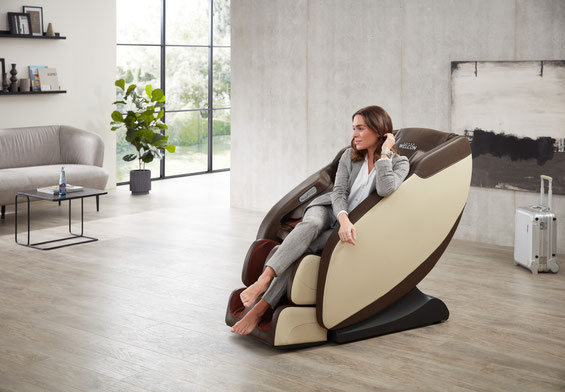
Massage chairs can suit older people when the design provides comfortable support, safe access and simple operation. A low-entry seat makes it easier to sit down, whilst stable armrests and a firm base can help the user enter and leave the chair with confidence. The chair should remain stable during reclining and return smoothly to an upright position.
Moderate intensity is usually the sensible starting point. Older users may enjoy gentle massage for relaxation and improved perceived comfort, but stronger pressure isn't automatically better. The user should be able to reduce the intensity quickly and stop the programme without navigating several menus.
An easy-to-use remote control is particularly helpful. Large, clearly labelled buttons and straightforward instructions reduce the risk of selecting an unsuitable setting. A hand control that remains within reach also allows the user to pause the massage immediately.
A massage chair isn't a substitute for advice from a GP, physiotherapist or another qualified health professional. Anyone with osteoporosis, recent surgery, circulation problems, an implanted medical device, severe pain or another health concern should seek professional advice before using one. The same applies when pain is new, worsening or associated with other symptoms.
Before purchase, the user should check whether the chair offers:
-
A low and stable entry position.
-
Supportive seating without excessive pressure points.
-
Clear instructions in an accessible format.
-
A remote control with simple, visible buttons.
-
Adjustable intensity, including a genuinely gentle setting.
-
A quick-stop function.
-
Sufficient room around the chair for safe access.
A supervised first session can help identify whether the seat, leg section and controls suit the user. Family members or carers should also know how to stop the programme and return the chair to an upright position. The safest choice is a chair that feels predictable and easy to operate, rather than one with the greatest number of settings.
How Do Massage Technologies Differ, and Which One Fits the Buyer?
Massage chair technologies affect how precisely the rollers move, which body areas they reach and how comfortable the session feels. Buyers should therefore compare the mechanism, rail shape and adjustment options rather than judging a chair by its feature count alone.
Personal preference matters just as much as technical specification. Someone who prefers gentle relaxation may be happier with a simple, well-padded chair, whilst another user may value detailed pressure control and a more dynamic massage pattern.
What is the difference between a 3D and a 4D massage chair?
A 3D massage chair adds forward and backward movement to the usual roller path. The rollers can move closer to the body or further away, which allows the user to adjust the massage pressure more precisely. This can make a noticeable difference when the shoulders, lower back or other areas need firmer contact.
A 4D system generally adds changes in movement speed and rhythm. The rollers do not follow one constant pattern, but vary their pace and timing during the programme. As a result, the massage can feel more fluid and closer to the changing rhythm of a human massage.
The term 4D isn't defined in exactly the same way by every manufacturer. Some systems alter speed and rhythm, whilst others combine these changes with additional movement patterns or programming options. Buyers should therefore check the technical description and test the chair rather than relying on the label alone.
The main differences can be summarised as follows:
-
A 3D system offers more precise control over roller pressure.
-
A 4D system usually creates a more varied and flowing massage.
-
A 4D mechanism often costs more and contains more moving parts.
-
A gentle massage programme may feel better than an advanced system for some users.
A 4D massage chair isn't automatically the better choice. The right option depends on the preferred pressure, the user's sensitivity and how often the chair will be used. A practical test remains the most reliable way to judge whether the movement feels natural and comfortable.
What do L-Shape and SL-Shape massage rails mean?
L-Shape and SL-Shape describe the route followed by the massage rollers inside the backrest and seat. An L-Shape rail usually travels from the upper back down alongside the spine, then continues beneath the seat towards the glutes or upper thighs. This design extends the massage beyond the back and can include the lower body.
An SL-Shape rail follows a longer, more pronounced curve. It is designed to reach from the neck and back towards the lower body, often following the natural shape of the spine and seat. The exact rail length and route vary between models, so the product specification remains important.
A longer massage path can benefit users who want pressure across the lower back, hips or gluteal area. It can also provide a more continuous massage as the rollers move from the upper back towards the seat. However, the rail shape alone doesn't determine whether the chair feels comfortable.
Before purchasing, the buyer should check:
-
Whether the shoulder position suits the user's height.
-
Whether the seat depth supports the thighs comfortably.
-
Whether the pressure feels suitable around the lower back and hips.
-
How much room the chair needs when it reclines.
-
Whether the footrest and leg section fit the user's body.
A longer rail cannot replace accurate shoulder adjustment, a suitable seat position or comfortable cushioning. The best L-Shape or SL-Shape massage chair is the one that follows the user's body without creating pressure points. A test session is particularly useful because two chairs with similar rail descriptions can feel very different in practice.
How does a body scanner improve the massage experience?
A body scanner uses sensors or programmed measurements to estimate the user's shoulder height, back position and body proportions before a massage programme begins. The chair then uses this information to position the rollers more accurately along the back.
Correct alignment can improve comfort and reduce the risk of the rollers pressing too high or too low. It can also help automatic programmes target the shoulders, spine and lower back more consistently. This is especially useful when a chair is shared by people with different heights.
However, body scanning is not a medical examination. The system does not diagnose a condition, assess muscle tension or identify an injury. Its measurements may also be less accurate when the user sits crookedly, has an unusual body shape or does not place the body correctly in the chair.
Manual adjustment remains useful, even when a chair includes an advanced scanner. A user may need to move the massage area slightly or reduce the pressure in a sensitive region. This is particularly important in households where more than one person uses the chair.
For a more reliable scan, the user should:
-
Sit upright with the back against the backrest.
-
Place both feet correctly in the foot wells.
-
Follow the chair's start-up instructions.
-
Begin the first session at a low intensity.
-
Check the roller position before increasing the pressure.
A body scanner can improve the starting position, but it doesn't remove the need for personal adjustment. Comfort still depends on the chair's dimensions, cushioning and the user's preferred massage style.
What does Zero Gravity mean in a massage chair?
Zero Gravity is a reclining position in which the upper body tilts backwards and the legs rise. This supported posture distributes body weight more evenly across the backrest and seat. Many users find it comfortable because the body remains supported whilst the massage rollers work across the back.
The raised-leg position can reduce pressure on the seat and lower back during a massage. It may also make a longer session feel more relaxed, particularly when the chair combines reclining with back, calf and foot massage. The exact angle and movement vary between models, so buyers should test the position before making a decision.
Despite its name, Zero Gravity is a comfort setting, not a medical treatment. It doesn't treat back problems or guarantee relief from pain. Anyone with a health condition should ask a GP or another qualified health professional for advice if deep reclining or raised-leg positions could cause concern.
The available room also needs careful checking. A chair may move forwards as it reclines, or the footrest may extend beyond the front of the seat. The buyer should measure the full operating area, not just the chair's upright dimensions.
Easy entry and exit matter as well. The user should be able to return the chair to an upright position without struggling, and the remote control should include a clear stop or reset function. A comfortable Zero Gravity position is useful only when the user can access it safely and leave it with confidence.
Can a Massage Chair Help with Tension, and How Should It Be Used?
A massage chair can make temporary muscular tension feel more manageable for some users. Its rollers and air cushions apply movement and pressure to areas that often feel tight after prolonged sitting, physical activity or a stressful day. The effect is mainly relaxing and comfort-focused, rather than a treatment for an injury or diagnosed condition.
The chair should be used as one part of a sensible relaxation routine. A comfortable sitting position, gentle settings and realistic expectations matter more than choosing the strongest available programme.
Can a massage chair relieve back tension and muscle tightness?
Kneading, rolling, tapping and gentle pressure may help some people relax tight muscles. These movements can feel pleasant around the shoulders, upper back and lower back, particularly after several hours at a desk or after moderate physical activity. Heat may also add comfort, although it doesn't suit everyone.
The response differs between users. A setting that feels soothing to one person may feel too intense to another, especially around the spine, hips or shoulder blades. The massage chair should therefore begin with low pressure and a short programme. The user can increase the intensity gradually if the body responds comfortably.
A massage chair doesn't correct posture, heal injuries or treat a specific medical condition. It may provide temporary relief from the feeling of tightness, but recurring discomfort still needs proper attention. Persistent back pain can have many causes, so repeated use of a chair shouldn't delay an assessment by a GP, physiotherapist or another appropriate health professional.
Professional advice is particularly important when pain is:
-
Severe, sudden or getting worse.
-
Persistent despite rest and ordinary self-care.
-
Accompanied by numbness, tingling or weakness.
-
Linked with fever, unexplained weight loss or feeling generally unwell.
-
Associated with a recent fall, accident or other injury.
The programme should stop immediately if the chair increases pain, causes dizziness or produces unusual discomfort. A mild awareness of pressure can occur during massage, but sharp pain, burning, nausea or a feeling that something is wrong requires the user to stop and reassess the situation.
How often and for how long should a massage chair be used?
There is no single usage schedule that suits every person or every chair. New users should begin with a gentle session of around 10 to 15 minutes. This gives the body time to respond without placing unnecessary strain on areas that may be sensitive.
If the first sessions feel comfortable, the user can gradually try longer programmes or slightly stronger settings. A longer session isn't automatically more effective. Extended pressure can leave the muscles feeling sore, irritated or overstimulated, particularly when the user has selected vigorous kneading, strong tapping or firm roller pressure.
Pauses between programmes are also useful. The body needs time to settle before another session, so running several intensive programmes one after another is rarely sensible. The product instructions should always take priority, as chairs differ in programme length, intensity and safety features.
Daily use can be suitable for some people when it remains moderate and comfortable. A short, low-intensity programme may be more appropriate for regular use than a powerful full-body session every day. The user should monitor how the body feels later that day and the following morning. New soreness is a reason to reduce the duration or intensity, or to take a break.
A safe routine usually follows these principles:
-
The user checks the chair's instructions before the first session.
-
The first programme uses low pressure and no more heat than necessary.
-
The user remains awake and aware throughout the massage.
-
A pause follows each programme, especially after stronger settings.
-
The user stops when discomfort, dizziness or unusual symptoms appear.
Falling asleep in an active massage programme should be avoided, particularly when heat or strong pressure is enabled. An unconscious user may not notice excessive pressure or overheating and may be unable to stop the chair promptly.
When should someone seek professional advice before using one?
Some health conditions can make pressure, reclining, heat or vibration unsuitable. A buyer should ask a GP or another qualified health professional before using a massage chair if any relevant medical concern exists. The product manual should also be checked carefully, because restrictions vary between models.
Professional advice is sensible in situations such as:
-
Pregnancy, especially when the chair includes strong pressure, heat or deep reclining.
-
A recent operation or a healing wound.
-
Serious cardiovascular or circulation problems.
-
A current or suspected blood clot.
-
Severe osteoporosis or a high risk of fracture.
-
An acute injury, sprain or significant swelling.
-
Unexplained, severe or persistent pain.
-
An implanted medical device, where pressure or electrical functions may require individual guidance.
-
A condition that becomes worse with heat, pressure, vibration or a raised-leg position.
This list is not complete. Medication, previous surgery, reduced sensation and other health factors may also affect whether a massage chair is appropriate. Anyone who feels uncertain should obtain individual advice before buying or using one, rather than relying only on general product information.
During use, the chair should remain easy to stop. The user should know where the pause button is and should keep the remote control within reach. If unusual pain, dizziness, numbness, weakness, nausea or another concerning symptom appears, the programme should stop. Further use should wait until the cause has been discussed with a suitable health professional.
What Makes a High-Quality Massage Chair Worth the Price?
A high-quality massage chair is judged by more than its number of programmes. The massage rail, body fit, upholstery, control system, moving parts and after-sales support all affect everyday comfort. A chair is worth the price when its important functions work together reliably and suit the person using it.
The highest price is not always the best choice. Buyers should compare the expected comfort and frequency of use with the full cost of ownership, rather than choosing a model based only on discounts or a long feature list.
How much does a good massage chair cost?
Massage chair prices vary because the technology and construction vary. A model with a basic roller mechanism, limited adjustment and simple upholstery costs much less than one with 3D or 4D roller movement, body scanning, air compression, heat and an advanced foot massage system.
The massage rail also affects the price. A longer L-Shape or SL-Shape rail can extend the massage into the seat area, whilst more adjustable mechanisms can change the roller pressure and movement. Build quality, padding, upholstery, reclining movement and the control system add further differences.
As a broad guide, buyers may encounter the following price bands in the UK:
-
Entry-level models, around £1,000 to £2,500, usually provide basic rolling or kneading programmes, straightforward reclining and selected air massage functions. Adjustment options and material choices may be more limited.
-
Mid-range models, around £2,500 to £5,000, often add improved body adjustment, more massage areas, heat, a more capable foot section and better control over intensity and position.
-
Premium models, from around £5,000 upwards, may include 3D or 4D movement, longer massage rails, detailed body scanning, wider air compression coverage, refined controls and more substantial construction.
These figures are for orientation only. Prices change over time, and the same model may cost different amounts between retailers, during promotions or after a product update. Buyers should compare the actual specification rather than assuming that a higher price guarantees a better experience.
An entry-level chair may suit occasional relaxation, especially when the user has modest expectations. Mid-range models often offer a practical balance between comfort and features for regular household use. Premium models make more sense when several people will use the chair frequently, when detailed adjustment matters or when the buyer places a high value on materials and movement quality.
A simple ownership calculation can clarify the decision:
-
Estimate the number of sessions per week.
-
Multiply that figure by the expected years of use.
-
Divide the purchase price by the estimated number of sessions.
-
Compare the result with the value of replacing some paid massage or wellness visits.
For example, someone using a £3,000 chair three times a week over five years would estimate approximately 780 sessions. The resulting cost per session is only one part of the calculation, because electricity, space, cleaning and servicing may also matter. A home chair also cannot provide professional hands-on assessment or treatment, so it should be compared with paid massage as a convenience and relaxation option, not as an equivalent medical service.
How can buyers recognise durable construction and materials?
Careful construction is visible in the details. A stable frame should remain firm when the chair reclines, whilst the movement should feel controlled rather than abrupt. The footrest should support the lower legs without wobbling, and the chair should return to its upright position smoothly.
Even seams and well-fitted upholstery indicate consistent manufacturing. The padding should feel firm enough to support the body, yet comfortable during a complete programme. Excessively soft padding can reduce support, whilst very hard padding may make roller pressure uncomfortable.
During an inspection, the buyer should check the following areas:
-
The joints between the backrest, seat and armrests.
-
The stitching around seams, corners and frequently touched areas.
-
The transition between the backrest and seat.
-
The buttons, remote control and cable connections.
-
The footrest, calf compartments and foot wells.
-
Any exposed moving parts, which should have suitable protection.
-
The base, castors or feet, which should keep the chair stable.
A heavy chair is not automatically a better chair. Weight can result from the frame, motor, padding or other components, but it doesn't prove that the mechanism is well made. A stable base and controlled reclining movement provide more useful evidence than weight alone.
Upholstery also affects long-term satisfaction. Synthetic leather is common because it is easy to wipe clean and gives the chair a smooth, uniform appearance. However, its feel and breathability vary between materials, and prolonged heat or direct sunlight may affect some finishes.
Fabric upholstery often feels warmer and more breathable. It may suit users who dislike the touch of synthetic leather, although cleaning spills and removing dust can require more care. Other upholstery choices may offer different textures or levels of resistance to everyday wear. The product information should state the recommended cleaning method for the specific material.
Before purchase, the buyer should ask:
-
Which replacement parts are available for the model?
-
How can the chair be serviced if a mechanical or electrical fault develops?
-
What is the maximum user weight?
-
Are spare remote controls, covers or foot components available?
-
Who provides technical support after delivery?
Clear answers help the buyer judge the chair as a long-term household product, not just as a showroom display. The smoothness of the mechanism, the quality of the finish and the availability of practical support all contribute to its value.
How much electricity does a massage chair use?
A massage chair's electricity consumption depends on how it operates. The motors use power during reclining and roller movement, whilst air pumps consume electricity when the chair inflates its air cushions. A heating element may also increase consumption during programmes that use warmth.
Session length makes a direct difference. A short programme with no heat uses less electricity than a longer full-body massage with reclining, air compression, foot massage and heat. Standby consumption can also differ between models, especially when the chair keeps a display, remote connection or control system active.
The electricity cost is usually smaller than the purchase price, but frequent users may still want to include it in the ownership budget. A person who uses the chair every day will naturally consume more electricity than someone who uses it once a week.
Practical habits can keep unnecessary consumption under control:
-
The chair should be switched off when it isn't needed.
-
Standby settings should follow the manufacturer's instructions.
-
Heat should be used when it adds comfort, rather than left active by default.
-
The user should avoid leaving the chair connected if the instructions advise otherwise.
The specification remains more reliable than a universal consumption figure because motors, heating systems and standby controls differ between models.
How much space does a massage chair need at home?
The chair's footprint includes more than its upright width and depth. A reclining massage chair may move forwards or backwards, while the footrest can extend into the room. The user also needs enough space to enter, leave, clean around the chair and move safely through the room.
A standard recline mechanism often needs clearance behind the backrest. A space-saving mechanism may move the chair forwards as it reclines, reducing the gap required from the wall. Even then, some clearance may remain necessary for ventilation, cleaning and safe movement.
Before ordering, the buyer should measure:
-
The chair's width, upright depth and height.
-
Its full dimensions in the reclined position.
-
The area needed for the footrest and leg extension.
-
Door widths, including the entrance door and internal doors.
-
Hallways, corners, staircases and lift doors.
-
Ceiling height and turning space where the chair must be carried.
-
The room's clear floor area around the chair.
-
The final route from the delivery vehicle to the installation point.
Delivery access deserves as much attention as the room itself. A chair may fit comfortably beside a sofa but fail to pass through a narrow hallway or turn at the bottom of a staircase. The retailer should confirm the packed dimensions, delivery method and route requirements before purchase.
The buyer should also check where the power socket sits and whether the cable could create a trip hazard. Ventilation openings must remain unobstructed, and furniture should not prevent the chair from returning safely to its upright position.
A paper template made from the chair's stated dimensions can help reveal space problems before delivery. The template should include the full reclined area, footrest extension and a practical walkway around the chair.
How long can a high-quality massage chair last?
The service life of a massage chair depends on its construction, usage pattern and care. A chair used several times every day experiences more movement than one used occasionally. User weight, heat exposure, cleaning habits and the quality of the roller and reclining mechanism also affect its condition.
Regular, moderate use may help preserve the chair's moving parts. The user should follow the recommended weight limit, place the chair on a suitable level floor and keep it away from radiators, strong sunlight and damp areas. Correct positioning reduces unnecessary strain during reclining.
Careful use matters as well. The user should sit down gently, avoid placing sharp objects on the upholstery and keep children or pets away from moving sections. The chair should remain dry, and the manufacturer's maintenance instructions should guide any cleaning or adjustment.
Certain changes indicate that the chair needs inspection:
-
New grinding, clicking or rattling noises.
-
Uneven reclining or jerky movement.
-
A footrest that no longer feels secure.
-
Damaged, splitting or loose upholstery.
-
Buttons or remote controls that respond inconsistently.
-
Air cushions that inflate unevenly.
-
Noticeably different pressure on one side of the body.
The chair should be taken out of use if a fault affects safe movement or creates unusual heat, noise or pressure. The manufacturer or retailer can assess the mechanism and advise whether a qualified technician should inspect it. Early attention may prevent a small problem from placing additional strain on other components.
How should a massage chair be cleaned and maintained?
The product manual should always take priority because upholstery, foot compartments and electrical controls differ between models. In general, a soft, slightly damp cloth is suitable for exposed surfaces, provided the material instructions allow it.
Synthetic leather can usually be wiped after use to remove skin oils and dust. Fabric may need gentle vacuuming with a suitable attachment, followed by spot cleaning with a product designed for that material. Cleaning products should be tested according to the manufacturer's instructions, not chosen solely because they work on ordinary furniture.
The remote control, armrests and other touch points need regular attention. A cloth should be damp rather than wet, and no liquid should enter buttons, ports, speakers or control panels. Electrical parts must never be soaked.
The foot compartments can collect dust, crumbs and fibres. These should be removed carefully so they don't obstruct sensors, rollers or moving sections. Abrasive tools, harsh solvents and excessive water can damage the surface or weaken the upholstery.
For routine care, the user should:
-
Wipe exposed surfaces with a suitable soft cloth.
-
Remove dust and crumbs from the seat and foot wells.
-
Keep moisture away from electrical connections.
-
Check cables for cuts, crushing or loose connections.
-
Inspect moving areas for trapped objects.
-
Keep pets, sharp objects and excessive heat away from the chair.
-
Follow the stated instructions for storage, repositioning and cleaning.
The chair should be unplugged before cleaning if the manual requires it. A clean, dry environment reduces avoidable wear, but maintenance cannot replace proper technical assessment when the chair develops unusual noise, movement or control problems.
Which Questions Should Buyers Ask Before Ordering a Massage Chair?
A showroom visit can reveal comfort, but online research determines whether the chair will fit the home and suit regular use. Before ordering, buyers should compare body compatibility, operating space, controls, delivery arrangements and cleaning requirements. The most suitable model is the one that feels comfortable and remains practical after the initial excitement has passed.
What should be checked during a showroom test?
A structured test gives more reliable results than a brief demonstration chosen by a salesperson. The buyer should allow enough time to assess the chair calmly and should avoid judging it solely by the strongest massage setting.
-
Sit in a normal posture. The back should rest against the backrest, the head should remain comfortable and the feet should sit naturally in the foot compartments. Slouching can affect the body scan and give a misleading impression of the fit.
-
Check shoulder and neck alignment. The rollers should reach the intended shoulder and upper-back areas without pressing against the neck or sitting too low. If the chair offers manual shoulder adjustment, the buyer should test it rather than relying only on automatic scanning.
-
Try the foot and calf compartments. The feet should fit without excessive pressure, and the calf section should support the lower legs evenly. The buyer should check whether the foot rollers feel pleasant or too intense, especially around the arches and heels.
-
Begin with low intensity. The pressure should increase gradually. A strong first impression may feel impressive for a few seconds, but excessive intensity can become uncomfortable during a complete programme.
-
Test an automatic programme. A full programme shows how the chair combines reclining, roller movement, air compression, heat and leg massage. The buyer should note whether the sequence feels smooth and whether the massage reaches the areas promised in the product description.
-
Use the manual controls. The user should try changing the massage area, speed, intensity, roller position and reclining angle. Controls are only useful when the buyer can understand them without repeatedly searching through menus.
-
Check entry and exit. The chair should move to an upright position smoothly, and the user should be able to sit down and stand up without awkward movements. This check is particularly important for older people or anyone with reduced mobility.
-
Test Zero Gravity. The raised-leg position should support the body without creating pressure behind the knees or discomfort in the lower back. The buyer should also check how easily the chair returns to its normal position.
-
Try the heat function. Heat should feel comfortably warm rather than excessively hot. The control should allow the user to switch it off independently from the massage programme.
-
Listen to the operating noise. Motors, air pumps and rollers produce some sound, but the level should suit the intended room. A chair that seems quiet in a large showroom may sound more noticeable in a bedroom or lounge.
-
Inspect the remote control. The display and buttons should be readable from the seated position. Important functions, including pause, stop, intensity and upright reset, should be easy to find.
-
Confirm the massage coverage. The rollers should reach the back, shoulders and lower back areas that matter to the buyer. A long rail or 4D label cannot guarantee accurate contact for every body shape.
A short demonstration may not show how the chair feels after longer use. Therefore, lasting comfort and useful adjustment are more important than a dramatic first impression. If the seat becomes uncomfortable, the rollers create pressure points or the controls feel confusing during a complete programme, the model may disappoint at home.
What information should be checked before an online purchase?
Online buyers should expect clear product information before placing an order. If essential details are missing, the buyer should contact the retailer rather than guessing or relying on a broad marketing claim.
The product page should state the chair's upright dimensions and reclined dimensions. It should also give the recommended user height range, maximum user weight and the space required for the footrest. These figures need comparing with the room, doorways, hallways, staircases and the planned delivery route.
The massage system deserves close attention. Buyers should check whether the chair uses a standard, S-Shape, L-Shape or SL-Shape rail, as well as whether the rollers move in two or three dimensions. A 4D label alone doesn't explain the movement, speed control or pressure adjustment available on that particular model.
The following details should be easy to find:
-
The number and type of automatic programmes.
-
Manual massage options and intensity levels.
-
The areas covered by air compression.
-
The locations of heat elements.
-
Noise information, where the manufacturer provides it.
-
Upholstery material and approved cleaning method.
-
Rated power and electricity requirements.
-
Packed dimensions and delivery weight.
-
Whether assembly is required.
-
The retailer's customer service and technical support contact details.
Clear product photographs should show the chair upright, reclined and opened at the footrest. Operating videos can reveal the speed of the rollers, the movement of the leg section and the complexity of the remote control. Independent customer feedback may highlight practical issues such as noise, comfort, delivery access or long-term ease of use.
Marketing terms require careful reading. Words such as "professional", "intelligent" or "full body" don't provide enough information on their own. The buyer should look for the actual adjustment range, massage areas and operating instructions behind each claim.
Delivery arrangements need checking before payment. The retailer should confirm whether the chair can reach the intended room, including access through doors, narrow corridors, stairs or a lift. Standard delivery may stop at the entrance, whilst room-of-choice delivery, unpacking or assembly may require an additional service. The buyer should arrange this in advance rather than assuming that the delivery team will move a large chair through the property.
Which mistakes should buyers avoid?
Price is an important consideration, but it shouldn't decide the purchase on its own. A cheap chair may seem attractive until the rollers miss the shoulders, the footrest feels cramped or the controls remain unused. A higher-priced model also needs testing, because advanced features don't guarantee a comfortable fit.
Size causes another common problem. Buyers sometimes measure the available floor space but forget the reclined depth, footrest extension and clearance needed to walk around the chair. The packed dimensions also matter because the chair must pass through the property's access route before it can reach the chosen room.
Height compatibility requires equal care. A chair designed for a broad height range may still suit neither a particularly short nor a particularly tall user. The recommended range, shoulder adjustment, seat depth and footrest extension should be checked together.
Technical labels can also mislead. Not every 4D system changes speed, rhythm and pressure in the same way. Likewise, an L-Shape or SL-Shape rail doesn't prove that the rollers will reach the correct areas for every body. The specification and showroom test provide better evidence than the label alone.
Other mistakes include:
-
Selecting the highest intensity without testing gentler settings first.
-
Ignoring whether the footrest supports the feet and calves comfortably.
-
Overlooking the noise produced by motors and air pumps.
-
Choosing upholstery without checking how it should be cleaned.
-
Assuming a long programme is better than a shorter, comfortable one.
-
Paying for features that the intended user won't understand or use.
-
Treating heat, reclining or strong pressure as suitable for every health condition.
A massage chair can support relaxation and may ease the feeling of temporary muscular tension. It cannot diagnose the cause of persistent pain or replace assessment and treatment from a GP, physiotherapist or other qualified professional. Anyone with severe, worsening or unexplained pain should seek appropriate medical advice.
Before ordering, the buyer should confirm the body height and weight limits, measure the complete operating area, review the rail and massage functions, test the foot section where possible, check the controls and cleaning instructions, and arrange suitable delivery to the intended room. A comfortable fit and straightforward controls will usually provide more value than a long list of functions that remains unused.
Frequently Asked Questions About Buying a Massage Chair
A massage chair can provide convenient relaxation at home, but the best model depends on body shape, preferred massage style, available space and budget. Technical terms such as 4D, air compression and automatic programmes describe useful functions, yet comfort and suitable adjustment remain more important than a long feature list.
What are the main benefits of a 4D massage chair?
A 4D massage chair can vary the speed, rhythm and pressure movement of its rollers more extensively than a conventional roller system. The rollers may move at different speeds during one programme, pause briefly or alter their pressure as they travel across the back. This can create a more fluid and varied sensation.
The benefit depends on accurate adjustment. A body scanner, suitable shoulder positioning and clear intensity controls help the rollers reach the right areas. Comfortable programming also matters, since a technically advanced chair is of limited value if the available programmes feel too strong or difficult to adjust.
A 4D system isn't automatically the best choice for every buyer. Some users prefer a gentle, predictable massage, whilst others enjoy changing rhythms and more detailed pressure control. A practical test remains the most reliable way to decide whether the movement feels comfortable.
Which massage types are available, and which one suits which purpose?
Massage chairs combine several techniques, and each creates a different sensation:
-
Shiatsu-style pressure uses targeted pressure points and may suit users who prefer a focused, firm massage.
-
Kneading uses circular movements that can feel concentrated around the shoulders, back and lower back.
-
Tapping creates quicker, repeated contact and often feels more lively.
-
Rolling provides a smoother movement along the back and can support gentle relaxation.
-
Air compression inflates cushions around the arms, hips, calves or feet, creating a wrapping pressure.
Gentle rolling and moderate air pressure often suit an evening relaxation routine. Kneading may appeal to someone who prefers a more focused sensation, whilst tapping can feel more active and stimulating. The final choice should be guided by personal comfort, sensitivity and the areas the user wants the chair to massage.
What is the purpose of the heat function?
The heat function adds warmth during a massage and can make reclining feel more comfortable, particularly in colder rooms or during a relaxation programme. Many users prefer moderate warmth around the back or lower back, although the preferred temperature varies.
Heat is a comfort feature, not a treatment for an injury, illness or persistent pain. It should never be used to mask symptoms that require assessment. The user should follow the chair's instructions for temperature and programme duration, and the heat should be switched off if the skin becomes uncomfortably warm.
Anyone with a health condition that may make heat unsuitable should seek advice from a GP or another qualified health professional before use. The same applies after an operation or when the user has reduced sensitivity to temperature.
Are massage chairs noisy?
Massage chairs produce different levels of sound because they contain motors, air pumps, rollers and reclining mechanisms. Air cushions may create a short pumping noise, whilst the rollers can produce a low mechanical sound as they move. Reclining may also be more noticeable than a stationary massage programme.
Noise perception varies between users. A sound that seems minor in a showroom may become distracting in a quiet bedroom or home office. Product information can provide useful details, but a practical test in a quiet room gives a more realistic impression.
The intended location should guide the decision. Anyone planning to place the chair near a living room, bedroom or workspace should test the full-body programme, air compression and reclining movement rather than listening only to a short demonstration.
Can a massage chair be used every day?
Some people use a massage chair daily for short, moderate sessions. The suitable routine depends on the product instructions, the chosen intensity and the user's general health. A gentle programme may be appropriate for regular relaxation, whilst strong pressure requires more caution.
New users should begin gradually and allow the body to respond before increasing duration or intensity. Breaks between programmes are sensible, particularly after firm kneading, tapping or extensive foot massage. Running several demanding programmes without a pause can leave the muscles feeling sore.
The chair should stop immediately if it causes sharp pain, dizziness, numbness, unusual discomfort or worsening symptoms. Persistent or unexplained pain should be discussed with a GP or suitable health professional rather than managed solely with repeated massage.
Is a premium massage chair better than a cheaper model?
Premium models often offer more adjustment, a longer massage path, quieter mechanics, richer programming and higher-quality materials. They may also provide more precise body scanning, wider air compression and more detailed control over roller movement.
However, price cannot replace a correct fit. A costly chair may still feel unsuitable if the shoulder position, seat depth or foot compartments don't match the user's body. The controls also need to be clear enough for everyday use.
A less expensive chair may be the better choice when it meets the buyer's main needs, fits the room and supports the body comfortably. Buyers should compare the functions they will use regularly, rather than paying for advanced features that add little practical value.
Does a massage chair replace a professional massage?
A massage chair offers convenient, repeatable relaxation at home. It can provide programmed pressure, rolling and air compression whenever the user wants a session, without arranging an appointment.
A trained massage therapist offers a different experience. Through direct assessment and communication, the therapist can adapt pressure and technique during the session and respond to specific feedback. A chair follows its programming and available adjustments instead.
The two options therefore meet different needs. A massage chair should not be presented as a replacement for medical care, physiotherapy or therapeutic massage. Anyone with persistent pain, an injury or concerning symptoms should seek suitable professional advice.
What are the most useful automatic programmes?
The most useful programmes are those that match the user's routine and remain easy to adjust. Common categories include:
-
Full-body relaxation for a complete, moderate session.
-
Gentle massage for sensitive users or regular use.
-
Neck and shoulder focus after desk-based work.
-
Back focus when the user prefers a shorter targeted programme.
-
Stretching-style recline with raised legs and controlled movement.
-
Evening relaxation with lower intensity and optional heat.
Programme names vary between manufacturers, so the title alone doesn't show how the chair will feel. The user should check whether the programme allows adjustments to intensity, duration, heat, air pressure and reclining angle.
A short programme that fits naturally into the user's day is often more useful than an elaborate setting that rarely gets selected. Clear controls and a quick stop function also make automatic programmes safer and easier to use.
Which massage chair innovations are shaping modern models?
Modern massage chairs increasingly combine improved body scanning with more adaptable 3D and 4D roller movement. Longer L-Shape and SL-Shape rails can extend the massage towards the seat, whilst more precise air compression can adjust pressure around the arms, hips, calves and feet.
Manufacturers also focus on quieter motors, more effective foot massage and simpler controls. These changes can improve comfort, but technical terminology alone doesn't prove that a chair is better.
The buyer should judge each innovation by three practical questions: does it feel comfortable, does it work reliably and will it be used regularly? A simple control system and accurate body fit may provide more value than an impressive specification that doesn't suit the user.